



Hello there! If you’ve ever wondered how to make your small business more visible online, you’ve come to the right place.
Today, we’re diving into the world of SEO Search Engine Optimization and exploring why it’s essential for your business’s success.
What is SEO?

SEO stands for Search Engine Optimization. It’s a crucial part of digital marketing, encompassing a set of strategies and techniques used to improve your website’s visibility on search engines like Google.
When someone searches for a product or service you offer, effective SEO helps ensure your business appears at the top of the search results.
Google Analytics is essential for understanding website performance and capturing keyword data. Additionally, Google Search Console is a free tool for analysing indexing status and performance metrics.
Search Engine Optimization (SEO) Definition

Search Engine Optimization (SEO) is a process of enhancing the quality and quantity of website traffic by improving a site’s visibility in search engine results pages (SERPs) for specific keywords or phrases.
Essentially, SEO aims to make your website more attractive to search engines like Google, ensuring that when users search for relevant terms, your site appears prominently in the search results.
This involves a combination of strategies, including optimizing content, improving site structure, and refining coding practices to align with how search engines work.
By understanding the algorithms and criteria that search engines use to rank web pages, businesses can tailor their online presence to meet these standards, ultimately boosting their visibility and credibility.
Brief History of SEO

The journey of Search Engine Optimization (SEO) began in the mid-1990s with the advent of the first search engines. Initially, SEO was a straightforward process that involved stuffing web pages with keywords and meta tags to rank higher in search results.
However, as search engines evolved, so did the complexity of SEO. By the late 1990s and early 2000s, businesses started recognizing the importance of a strong online presence, and SEO became a key marketing strategy.
Over the years, search engines like Google have continuously updated their algorithms to prioritize high-quality, relevant content, making SEO a multifaceted field that now requires a deep understanding of search engine algorithms, user behaviour, and content marketing.
How SEO Differs from SEM and PPC

Search Engine Optimization (SEO) is often confused with Search Engine Marketing (SEM) and Pay-Per-Click (PPC) advertising, but they are distinct strategies with different goals.
SEO focuses on optimizing your website to rank higher in organic search engine results, which means you don’t pay for the placement. Instead, you earn it through quality content and effective optimization techniques. On the other hand,
SEM is a broader term that includes both SEO and PPC. PPC is a specific type of SEM where you pay for each click on your ads that appear in search engine results. While SEO is a long-term strategy aimed at building credibility and trust with search engines, SEM and PPC are more immediate strategies designed to drive quick traffic and conversions through paid advertising.
Is SEO Worth It for a Small Business?

Absolutely! Investing in SEO can significantly impact your business’s growth. Optimizing for search queries is crucial to improve visibility in search engine results and drive qualified traffic.
By optimising your online presence, you can attract more potential customers, increase sales, and build brand awareness.
“You really have to create legitimately great content and a legitimately great website to rank in Google.” Brian Dean, a renowned SEO expert.
Why is SEO Important for Small Businesses?

For small businesses, SEO is a game-changer. It helps increase online visibility, drive more traffic to your website, and attract more customers.
By optimizing your website for search engines, you improve your chances of ranking higher in search engine results pages (SERPs), making it easier for potential customers to find you. This is especially crucial for small businesses that may not have large marketing budgets.
Effective SEO can level the playing field, allowing you to compete with larger companies by ensuring that your business appears prominently in search results when users search for products or services you offer. In essence, SEO is a cost-effective way to enhance your online presence and reach your target audience.
How Does SEO Work?

SEO works by making your website more attractive to search engines, which is crucial given the dynamic relationship between the web and search engines. It is especially important to optimize for Google’s search to appear prominently in search results.
This involves various practices, such as using relevant keywords, creating high-quality content, and ensuring your site is user-friendly. Search engines use algorithms to determine which sites are most relevant to users’ queries, and effective SEO aligns your website with these algorithms.
Types of SEO and Keyword Research
Understanding the different types of SEO can help you develop a comprehensive strategy. Let’s explore some key categories:
On Page SEO

On-page SEO involves optimizing individual web pages to rank higher in search results. This is different from off-site SEO, which involves optimizing external factors like backlinks and social media signals. This includes:
- SEO Keyword Research: Identifying and using relevant keywords that potential customers are searching for.
- Quality SEO Content: Quality SEO content means creating content that is both user-friendly and search-engine-friendly by focusing on the needs and interests of your target audience.
- Internal Linking For SEO
Internal linking for SEO means adding links within a website that connect related pages. This enhances user experience by making navigation easier and helps search engines grasp the site’s structure and content better. - Metadata SEO Optimization
Metadata SEO optimisation focuses on refining HTML elements like title tags, header tags, and meta descriptions to describe a page’s content clearly and concisely. This helps both users and search engines understand the page’s purpose, boosting its visibility and relevance in search engine results pages (SERPs). - Image SEO Optimization
Image SEO optimisation involves enhancing website images by using descriptive file names, alt tags, and captions. This improves user experience and helps search engines recognise the content, increasing the chances of attracting more traffic through Google Image Search. - URL Structure
URL structure refers to how a website’s URLs are formatted and arranged, including relevant keywords to help search engines interpret the content. A well-structured URL improves rankings, enhances user experience, and supports link-building efforts.
Off Page SEO

Off-page SEO, also known as off-site SEO, focuses on boosting a website’s search engine ranking through external factors rather than on-site changes.
This includes acquiring high-quality backlinks, promoting content on social media, and engaging in other online marketing strategies. Key elements for this are:
Backlink Building
Acquiring links from other reputable websites to your own site signals trustworthiness to search engines.
- Guest Blogging – Guest blogging is a common off-page SEO technique used for building backlinks. It is when you write an article for another website and include a backlink to your own site in exchange. This can improve your website’s visibility and authority and attract more traffic to your site.
- H.A.R.O – Responding to journalists’ and reporters’ queries to gain media exposure and earn backlinks to improve SEO.
- Competitor Research and Analysis – Analysing competitors’ backlinks, content, and keywords provides valuable insights that can help refine and enhance your SEO strategy.
- Internet Ads – Placing paid ads on external websites and search engines to drive traffic and generate leads for a website or business, ultimately improving its online visibility.
- PR (Public Relations) – Sharing press releases with relevant media outlets to secure backlinks, attract potential customers, and increase brand recognition. Press coverage or radio coverage is great to boost your sales and reach a wider audience.
- Social Media Visibility, aka Brand Signals – Brand signals in SEO represent a brand’s online visibility and reputation, built through factors like social media engagement, directory listings, and mentions on other websites. These signals help search engines assess a brand’s credibility and authority, which can contribute to higher search rankings.
Technical SEO and Google Search Console

Technical SEO involves optimizing your website’s infrastructure to help search engines crawl and index your site effectively. Key elements for this are:
- Site Speed – Site load time optimisation is crucial for both user experience and search engine performance. A fast-loading website keeps visitors engaged, reduces bounce rates, and improves overall usability.
- Mobile Optimization – Mobile-friendliness refers to the design and functionality of a website that is optimized for viewing on mobile devices such as smartphones and tablets. It ensures that the website is responsive to different screen sizes, loads quickly, and is easy to navigate on mobile devices.
- Sitemap Creation – This involves designing a well-organised and logical layout that helps both users and search engines navigate and understand the website’s content. A clear structure enhances user experience by making it easier for visitors to locate the information they need.
- Crawl Error Identification – This involves detecting and fixing issues that hinder search engines from accessing website content. These errors, such as broken links and missing pages, can affect search visibility. Resolving them helps improve search engine rankings and overall website performance.
- Keyword Cannibalization Audit – A keyword cannibalisation audit involves detecting and resolving cases where multiple pages on a website target the same or similar keywords. This competition can weaken search engine visibility and reduce overall organic performance.
- Removal of Duplicate Content – The removal of duplicate content is a process of detecting and resolving duplicate content on a website to prevent negative effects on search engine rankings.
Local SEO (Google My Business)

Local SEO is crucial for businesses targeting a specific geographic area. Optimizing your Google My Business profile can help local customers find you easily. Key elements for this are:
Google My Business (GMB) Optimisation

A well-optimised Google My Business (GMB) profile is essential for local SEO. This free tool allows businesses to appear in Google Search and Maps results. Key optimisation steps include:
- Ensure your business name, address, and phone number (NAP) are accurate and consistent.
- Selecting the right business category and adding relevant services.
- Writing a compelling business description with relevant keywords.
- Uploading high-quality images of your business, products, and services.
- Encouraging and responding to customer reviews to build credibility.
NAP Consistency (Name, Address, Phone Number)
Your NAP information must be the same across all online platforms, including your website, directories, and social media. Inconsistencies can confuse search engines and hurt your rankings in local search results.
Local Citations and Directory Listings

Listing your business on local directories and citation websites (such as Yelp, Yellow Pages, and industry-specific directories) improves credibility and helps search engines verify your business information. Ensure your NAP details are uniform across all listings.
Customer Reviews and Ratings

Reviews play a crucial role in local SEO and consumer trust. Google considers positive reviews as a ranking factor for local search results. Encourage happy customers to leave reviews on Google, Yelp, and Facebook. Responding to reviews (both positive and negative) shows that you value customer feedback.
Localised Website Content
Your website should include location-specific content to improve local SEO. This includes:
- Creating location pages for each service area.
- Using local keywords (e.g., “best coffee shop in London”).
- Writing blog posts on local events, news, and trends related to your business.
- Embed Google Maps on your contact page.
Mobile Optimisation

Since many local searches happen on mobile devices, your website must be mobile-friendly. A fast-loading, responsive design ensures that users can easily find and contact your business on the go.
Schema Markup for Local SEO

Adding local business schema markup (structured data) to your website helps search engines understand your business details, such as your address, phone number, operating hours, and reviews. This increases the chances of appearing in rich snippets in search results.
Local Backlinks and Community Engagement

Earning local backlinks from other businesses, blogs, and news sites strengthens your website’s authority. Partnering with local organisations, sponsoring community events, or getting featured in local media can boost local search rankings.
Voice Search Optimisation

With the rise of voice search, many people now search for local businesses using phrases like “near me” or “best pizza place in Manchester. Optimising for conversational, long-tail keywords and including FAQ-style content can help capture voice search traffic.
Social Media and Local Engagement

Active engagement on social media platforms like Facebook, Instagram, and LinkedIn helps businesses connect with their local audience. Sharing updates, responding to comments, and using location-based hashtags can drive traffic to your site.
By focusing on these key elements of local SEO, small businesses can improve their online visibility, attract local customers, and increase foot traffic.
Investing time in optimising Google My Business, citations, reviews, and local content can have a long-term impact on local search rankings and business growth.
International SEO

International SEO focuses on increasing organic traffic from different regions and languages by optimising a website for a global audience.
To succeed, businesses must consider the cultural context of their target markets and provide a seamless user experience. This includes offering content in the local language, allowing transactions in the relevant currency, and using region-specific date and time formats.
Additionally, businesses should implement hreflang tags to indicate language and regional targeting to search engines, ensuring users see the most relevant version of the website.
Customer support should also be available in the native language to address customer concerns effectively.
The ultimate goal of international SEO is to enhance online visibility and provide a personalised, user-friendly experience that resonates with audiences across different regions.
E-commerce SEO

E-commerce SEO is a powerful strategy for driving organic traffic to an online store, offering a cost-effective alternative to paid search advertising.
By optimising an e-commerce website, businesses can improve their rankings in search engine results pages (SERPs), making it easier for potential customers to find their products or services.
Having a strong presence in SERPs is essential—without it, businesses risk losing valuable, highly targeted customers to competitors.
A well-executed e-commerce SEO strategy involves competitor research, homepage optimisation, and a well-structured website architecture, all of which help improve search visibility and drive more traffic.
When looking into e-commerce SEO, you will need to cover key elements such as:
- Keyword Research
- Homepage SEO
- Category and Product Page Optimisation
- Technical SEO
- Backlink Building
- User Experience (UX) & Navigation.
When implemented correctly, e-commerce SEO increases organic traffic, improves search rankings, and boosts sales without the ongoing costs associated with paid advertising.
By focusing on SEO best practices, businesses can gain a competitive advantage in the crowded digital marketplace.
Mobile SEO and why does it matter?

Mobile SEO refers to the process of optimising a website for search engines while ensuring it displays correctly and functions smoothly on mobile devices like smartphones and tablets.
A poor mobile experience can drive potential customers away, possibly preventing them from returning. To provide users with the best possible experience, businesses must implement mobile-friendly SEO strategies.
This involves optimising the website’s design, structure, and page speed to ensure smooth navigation and quick load times, preventing frustration that could lead users to abandon the site.
By focusing on responsive design, fast-loading pages, and a seamless mobile experience, businesses can enhance user satisfaction, improve search rankings, and increase conversions from mobile visitors.
White Hat SEO

What is White Hat SEO?
White Hat SEO refers to ethical, search engine-approved optimisation techniques that improve a website’s visibility in search results while following search engine guidelines. It focuses on creating high-quality content, improving user experience, and following best practices to achieve long-term SEO success.
Key Components of White Hat SEO

- High-Quality Content
- On-Page Optimisation
- Mobile-Friendliness & Page Speed
- User Experience (UX) & Site Structure
- White Hat Link Building
Why White Hat SEO Matters

- Safe and Sustainable Growth: Unlike Black Hat SEO, which can lead to penalties or deindexing, White Hat SEO ensures long-term success without risking your website’s reputation.
- Better Search Rankings: By following ethical practices, search engines reward sites with higher rankings and more visibility in organic search results.
- Improved User Trust & Credibility: Providing valuable content and a seamless user experience builds trust and authority, leading to higher engagement and conversions.
Benefits of SEO for Small Businesses

Implementing SEO offers numerous advantages:
- Increased Online Visibility: Higher rankings make it easier for potential customers to find you.
- Cost-Effective Marketing: Unlike paid advertising, organic search traffic doesn’t require continuous investment.
- Credibility and Trust: Appearing at the top of search results signals authority and trustworthiness.
Why Hiring an SEO Agency Is Important

Navigating the complexities of SEO can be challenging. Monthly subscriptions to all the tools you will need to write blogs, check grammar, do keyword searches, and competition analytics are expensive.
An agency works with multiple clients, and you share the costs of those tools with everyone in the pool. Unless you are a pro at web development and understand your website’s back-end, SEO optimisation can be very difficult as you will need to understand all the settings and know how to optimise them.
Partnering with a professional SEO agency like Bold Tony ensures:
- Expertise: Access to an experienced SEO team that stays updated with the latest SEO trends and Google updates.
- Time Savings: This will save you months of reading on SEO and learning all the technical aspects of your website and search engine settings. This will allow you to focus on running your business.
- Long-Term Success: Bold Tony will advise you on sustainable SEO strategies and design a custom solution just for you.
“Impactful SEO is rarely executed by a lone wolf.” Jes Scholz, International Digital Director at Ringier AG
SEO is both art and science
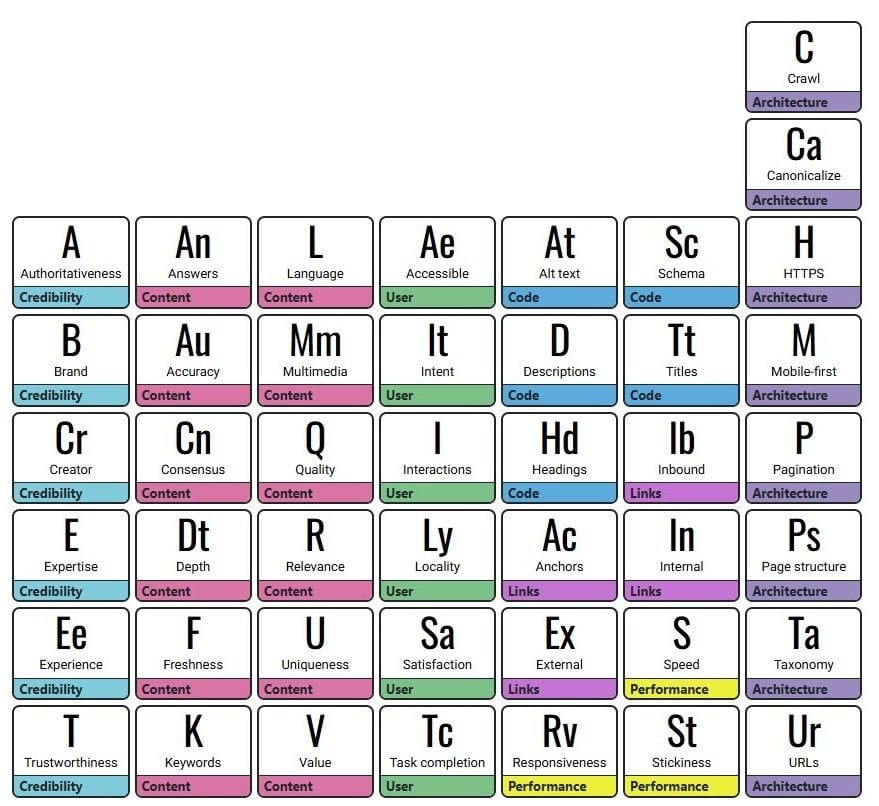
There you have it, the science and art of SEO, decoded. Hopefully, the SEO Periodic Table serves you well as the first visual aid you turn to when trying to plan your SEO strategy for your business.
Recommended SEO Books

If you still insist on doing this all by yourself, here are some books we read on our journey to understanding SEO:
1. ”SEO for Growth” by John Jantsch and Phil Singleton (Amazon)
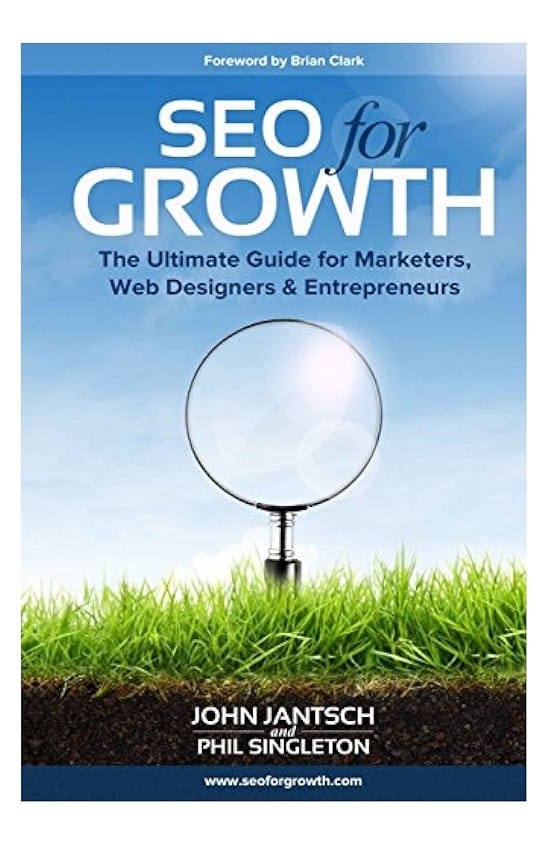
- Comprehensive guide covering the integration of SEO with content marketing and social media.
- Offers actionable strategies for building a solid online presence.
What You’ll Learn:
- How to develop an effective SEO strategy.
- The importance of aligning SEO efforts with overall business goals.
2. “The Art of SEO” by Eric Enge, Stephan Spencer, and Jessie Stricchiola (Amazon)
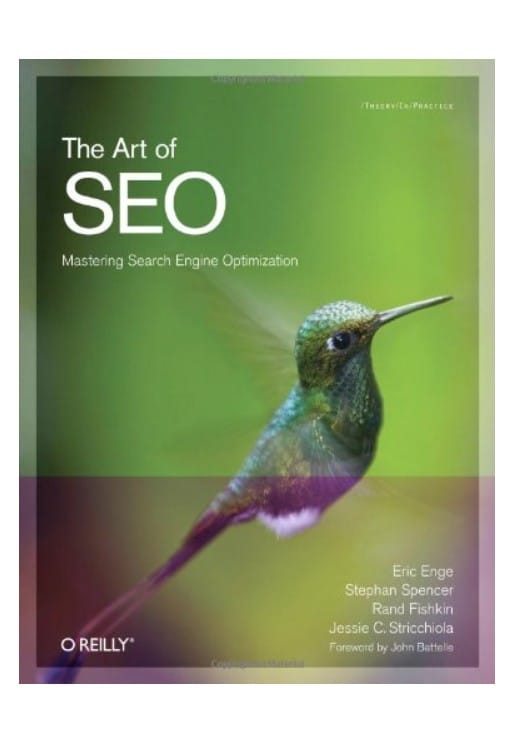
- In-depth exploration of SEO concepts suitable for both beginners and seasoned professionals.
- Provides practical advice backed by real-world examples.
What You’ll Learn:
- Advanced techniques for keyword research and link building.
- Insights into how search engines operate and how to adapt to algorithm changes.
3. ”SEO 2025: Learn Search Engine Optimization with Smart Internet Marketing Strategies” by Adam Clarke (Amazon)
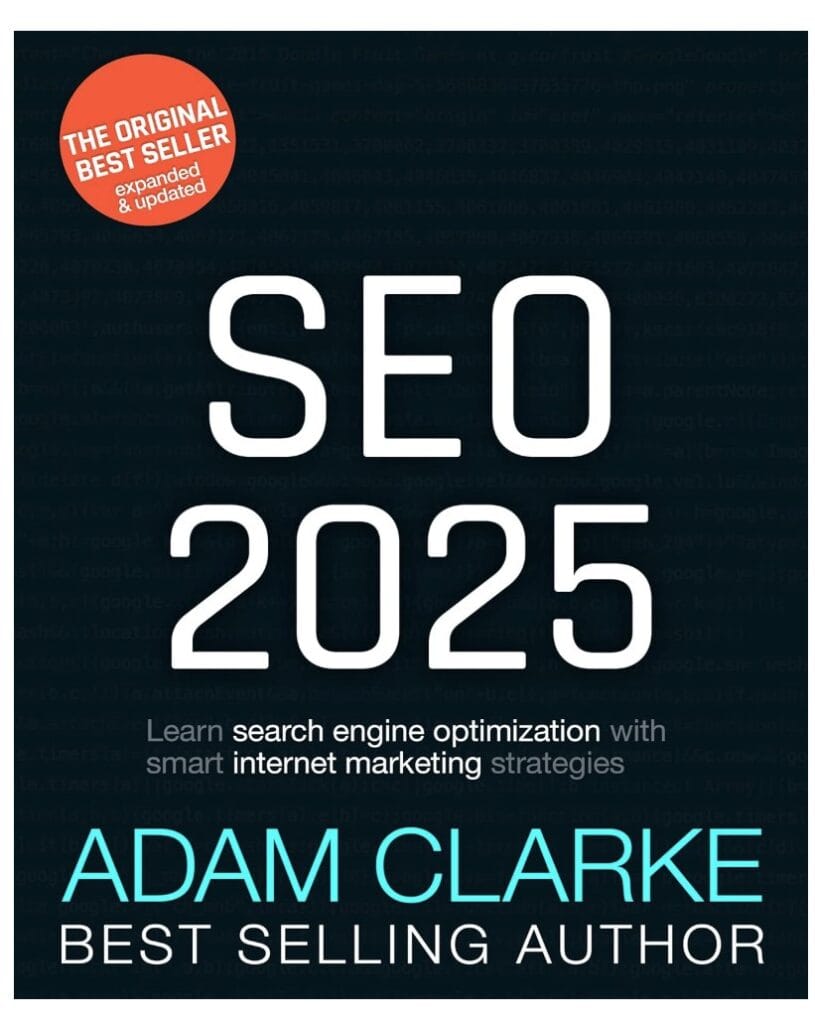
- Up-to-date strategies reflect the latest trends in SEO.
- Easy-to-understand language, making complex topics accessible.
What You’ll Learn:
- How to optimize your website for mobile search.
- Effective methods for improving local SEO and attracting nearby customers.
Google can’t see you unless you fix your SEO
Investing time and resources into SEO can yield substantial benefits for your small business. By enhancing your online visibility, you can attract more customers and stay competitive in today’s digital landscape.
“Content is the reason search began in the first place.” Lee Odden
Ready to elevate your business’s online presence? Book a free consultation with the Bold Tony team today, and let’s discuss how we can tailor an SEO strategy to meet your business needs.