



Introduction to SEO Timeline
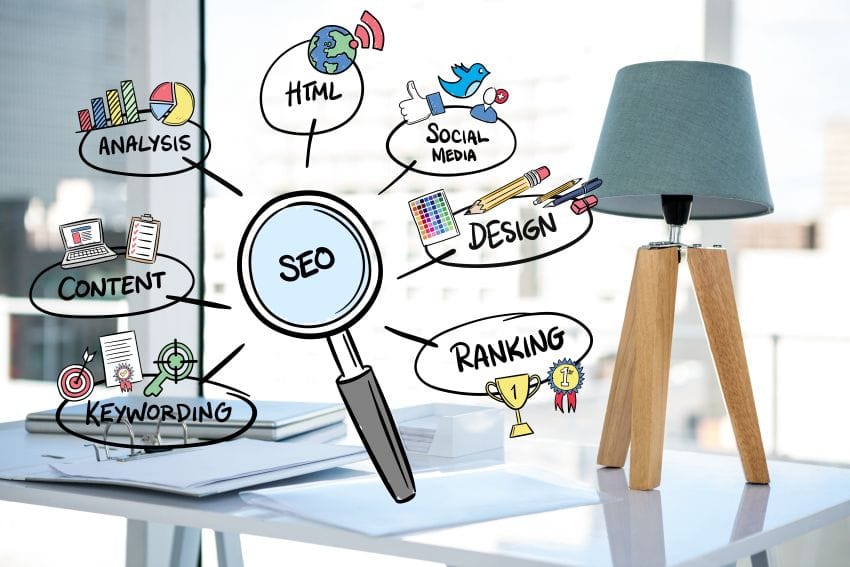
In digital marketing, this question is frequently asked yet often remains unanswered – much like wondering about the origins of the universe.
However, we’ll try to explain everything we understand about SEO and the time it might take to influence your website.
Before arriving at a clear answer, several factors need to be considered. Every website is unique, and its underlying structure – as well as the effort you invest and the role of an SEO agency in shaping the strategy and executing essential tasks – plays a significant role in how quickly SEO will yield results.
Understanding Search Engine Optimisation

Search engine optimisation is what makes your website more visible on search engines such as Bing, Google, Yahoo, Baidu and others. When people type in search queries, search engines use algorithms and SEO tools to find and rank websites.
Your SEO results depend on a well-planned SEO strategy that takes into account many factors. A dedicated SEO team is crucial for navigating the complexities of optimizing a website, with ongoing responsibilities such as content production, technical modifications, and keyword research.
Every day, search engine bots crawl web pages to check for technical SEO issues and to see if you have a good backlink profile.
When you work on on-page optimization and off-page SEO, you increase organic search traffic and help your website rank higher in search results. This long process is known as the SEO timeline.
SEO is not just about adding generic keywords to your content. It is about understanding your target audience and matching the user’s search intent.
By using keyword research and studying search intent, you can create content that appeals to both search engines and your audience.
The Importance of Local SEO
Local SEO is very important for small businesses and startups. It helps you connect with customers in your area and drives organic traffic.

Local businesses benefit from local SEO because it targets search queries that include a location. This helps bring higher traffic rates and more qualified leads to your web pages.
Many famous business people have highlighted the importance of a strong local SEO presence.
“Customer service isn’t a department; it’s an attitude.” Tony Hsien
This quote reminds us that when you work on local SEO, you are showing your local community that you care about them.
The Role of Organic Traffic
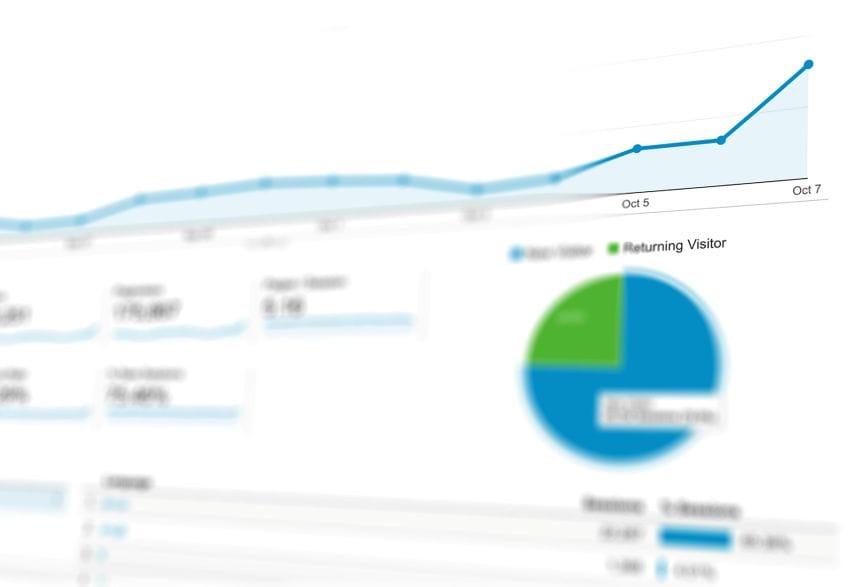
Organic traffic is the natural flow of visitors who come to your website through search engines. When you create high-quality content and use relevant keywords, you increase traffic. This is important because traffic shows that your SEO efforts are paying off.
Search engines look at the quality of your content and the SEO timeline you follow. With a consistent SEO campaign and regular content creation, you can see increased site traffic. Over time, the combination of on-page optimization and link-building efforts will help your website rank higher.
Organic traffic is not just about numbers. It is about attracting the right target audience and turning them into paying customers. Using tools like Google Analytics and Google Search Console, you can measure how well your SEO strategy is working.
What is an SEO Timeline?
An SEO timeline is a plan that shows the different stages of your SEO process. It helps you understand that achieving SEO results takes time.
Many search engines take time to reflect on your changes, and a single blog post might not give you the immediate increased traffic you have hoped for.
Your SEO timeline includes steps such as keyword research, content creation, website audit, and technical optimization. These activities help improve your search engine rankings and show that search engine optimisation is an ongoing process.
Refining targeted keywords during the third month is crucial as it plays a significant role in content creation and user experience enhancement.
The SEO strategy is not set in stone. Every website is different, and many factors, such as website history and site structure, can have an effect on the timeline. However, with a well-planned SEO timeline and consistency, you will see results.
SEO Timeline: What Happens in Months 1-6
Month 1: Setting Up and Planning

In the first month of your SEO campaign, the foundation is laid for future success. This initial phase is all about setting up and planning your strategy. Here’s what you can expect:
- Keyword Research: The journey begins with thorough keyword research to identify the target keywords and phrases that your potential customers are using. This step is crucial as it guides the rest of your SEO efforts.
- Analysing Current Rankings: Understanding where your website currently stands in search engine rankings helps identify areas for improvement. This analysis provides a baseline to measure future progress.
- Setting Up Tools: Tools like Google Search Console and Google Analytics are set up to track your website’s performance. These tools offer invaluable insights into how your site is performing and where adjustments are needed.
- Content Calendar: A content calendar is created to plan and organize your content creation efforts. This ensures a steady flow of high-quality content that aligns with your SEO plan.
- Link Building Strategy: Developing a link-building strategy is essential to increase your website’s authority and ranking. This involves identifying potential sources for high-quality backlinks.
By the end of the first month, you’ll have a clear roadmap for your SEO campaign, setting the stage for the months to come.
Month 2-3: Content Creation and Optimisation

As you move into months 2 and 3, the focus shifts to content creation and optimization. This phase is all about building and refining your website’s content to attract and engage your target audience.
- Creating High-Quality Content: Start creating high-quality, keyword-optimized content that resonates with your audience. This content should be informative, engaging, and tailored to meet the search intent of your target keywords.
- Optimizing Existing Content: Review and optimize your existing content to improve its relevance and ranking. This might involve updating old blog posts, refining meta descriptions, and ensuring that your content aligns with current SEO best practices.
- Technical SEO Audits: Conduct technical SEO audits to identify and fix any technical issues that might be impacting your website’s ranking. This includes checking for broken links, improving page speed, and ensuring that your site is mobile-friendly.
- On-Page SEO Strategies: Implement on-page SEO strategies, such as optimizing meta tags, header tags, and internal linking. These efforts help Google understand your content better and improve your search engine rankings.
- Social Media Promotion: Leverage social media platforms to increase brand awareness and drive traffic to your website. Sharing your content on social media can help attract a wider audience and generate more traffic.
By the end of this phase, your website should have a solid foundation of high-quality content that is optimized for both search engines and your audience.
Month 4-5: Link Building and Promotion
In months 4 and 5, the focus turns to link building and promotion. This phase is crucial for increasing your website’s authority and visibility in search engine results.
- Building High-Quality Backlinks: Start building high-quality backlinks from authoritative sources. These backlinks signal to web browsers that your website is trustworthy and valuable, which can help improve your rankings.
- Content Promotion: Create and publish content on other websites and platforms to increase brand awareness and drive traffic to your site. Guest blogging, for example, can help you reach new audiences and earn valuable backlinks.
- Engaging on Social Media: Continue engaging with your target audience on social media platforms. This helps build a community around your brand and drives more traffic to your website.
- Optimizing Internal Linking: Review and optimize your website’s internal linking structure to improve user experience and help search engines crawl your site more effectively.
- Targeting Long-Tail Keywords: Create and publish content that targets long-tail keywords. These keywords are often less competitive and can help increase your website’s visibility and ranking.
By the end of this phase, your website should have a stronger backlink profile and increased visibility, setting the stage for continued growth.
Month 6: Analysis and Adjustment

In the sixth month, it’s time to analyse the results of your SEO campaign and make any necessary adjustments. This phase is all about refining your strategy based on data and insights.
- Analysing Rankings: Review your website’s search engine rankings to identify areas for improvement. Look at which keywords are performing well and which ones need more attention.
- Reviewing Traffic and Engagement: Use tools like Google Analytics to review your website’s traffic and engagement metrics. This helps you understand how users are interacting with your site and where there might be opportunities for improvement.
- Adjusting the Strategy: Based on your analysis, adjust your SEO plan as needed. This might involve refining your keyword targeting, updating your content, or making technical improvements to your site.
- Continuing Content Creation: Keep creating and publishing high-quality, keyword-optimized content. Consistent content creation is key to maintaining and improving your search engine rankings.
- Monitoring Rankings: Continue to monitor your website’s search engine rankings and make adjustments as needed. SEO is an ongoing process, and regular monitoring helps ensure that your efforts are paying off.
By the end of the sixth month, you should have a clear understanding of what’s working and what needs improvement. This ongoing analysis and adjustment process is crucial for long-term SEO success.
The Need for a Well-Planned SEO Roadmap

A well-planned SEO strategy is the foundation of any successful SEO campaign. When you plan your SEO strategy, you look at many factors like the SEO timeline, target keyword, and user intent. A strong strategy ensures that you are using your SEO tools effectively.
Your SEO plan includes on-page optimisation, such as improving meta descriptions, meta tags, and header tags. It also covers off-page SEO activities such as link building and developing a high-quality backlink profile. With these SEO changes, your website can rank higher in search engine results.
A good SEO timeline also takes into account technical SEO. This means checking technical issues, doing a technical audit, and ensuring that your URL structure is clean. All these efforts work together to improve your overall SEO results and help you achieve higher ratings.
SEO Efforts: Why Consistency is Key

SEO efforts require hard work and consistency. Every day, you must work on various tasks such as keyword research, content creation, and on-page optimization. Even when the search results do not change immediately, every small improvement helps in the long run.
Consistent SEO efforts can improve your traffic over time. By keeping track of your SEO timeline and making regular adjustments, you help web browsers understand that your website is active. This constant work makes it easier to achieve SEO results that lead to increased traffic and higher organic search traffic.
The Impact of SEO Results on Your Business

Good SEO results mean that your website shows up on the first pages of search results. When your website ranks higher, more people will click on your site, and you will see increased traffic.
This also means that you can attract more qualified leads who are interested in your products or services. Thus increasing your sales.
By following a solid SEO strategy and continually working on your SEO efforts, you can enjoy steady seo results over time. The improvements might be gradual, but with each update, your search engine optimisation becomes stronger.
Eventually, the work you put in will pay off, and your website will rank higher on Google and other web browsers.
The Journey of Search Engine Optimisation

The journey of search engine optimization is not a quick sprint; it is a marathon. There are many steps in the SEO process, including website audit, technical SEO, and content creation. Every step along the way contributes to your overall search results.
Some steps require a website audit to check for broken links and technical issues. Others involve using SEO tools to analyse your backlink profile and monitor your search engine rankings.
The SEO process also involves watching how web browsers handle your website. Using tools like Google Search Console and Google Analytics, you can learn about search queries, user intent, and how well your SEO strategy is working. This ongoing journey means that the SEO timeline can stretch over many months.
Factors that impact how long SEO will take on your website:
There are many factors that influence the SEO timeline. These include:
- The age of your website
- The size of your website
- The platform your website was built on
- How much time you can spend doing SEO each day/week/month
- Who you are competing against
Each of these factors plays a role in determining how long it will take before you start seeing results.
When you begin an SEO campaign, you need to remember that search engines require time to crawl and index your changes. Even if your target keyword is well chosen, it can take time to see increased site traffic. Every SEO activity, from keyword research to link building, contributes to the overall timeline.
The Age of Your Website

The age of your website can have a big impact on the SEO timeline. Older websites might already have a solid backlink profile and some organic search traffic. Because your site has been around for a while, the search engine bots might trust it more.
Whereas, if you have a new site, you may need to focus on technical optimization and content creation to build trust with web browsers.
The Size of Your Website

The size of your website is another important factor in determining the SEO timeline. A large website with many web pages may take longer to crawl and index.
This means that your SEO timeline might be extended if your website is very big. Even with on-page optimization, larger websites might require more time for SEO results to show.
The Platform Your Website Was Built On

The platform your website was built on can affect your SEO timeline. Some website platforms are easier to optimise for search engine optimization than others. For example, websites built on modern, flexible systems might allow for better technical SEO.
The platform also influences your site structure and how search engine bots crawl your web pages. Some platforms have built-in SEO tools that help you with meta descriptions, meta tags, and header tags. This technical optimization can help you rank higher and speed up your SEO timeline.
If your website is built on an older platform, you might face technical issues that slow down your SEO efforts. In this case, a thorough website audit can help you identify problems with URL structure and internal links. Upgrading your platform may be necessary to achieve faster and better quality SEO results.
How Long You Can Spend Doing SEO Each Day/Week/Month

The amount of time you spend on SEO each day, week, or month is a key factor in your SEO timeline. Even with the best SEO strategy, if you only work on SEO sporadically, it may take longer to see positive results.
When you dedicate regular time to SEO activities, you show Google that your website is active. This consistent work helps you achieve SEO results faster. Whether it is technical SEO, content creation, or link building, every effort counts.
‘‘Patience, persistence and perspiration make an unbeatable combination for success.” Napoleon Hill
Even busy business owners can schedule small amounts of time to check their website audit reports and review their SEO campaign progress. A steady focus on SEO changes can lead to increased site traffic and improved search rankings over time.
Who You Are Competing Against
Your competition also plays a big role in determining how long SEO will take to work. If you are in an industry with many SEO specialists and a strong backlink profile, your SEO timeline may be longer. You will need to invest more resources in your SEO strategy to beat your competitors.
When you study your competitors, you learn which relevant keywords they are targeting and how they use on-page optimization. By doing your search term analysis and creating high-quality content, you can gradually achieve SEO results that help you rank higher.
Having a dedicated SEO team to study competitors and implement effective strategies is crucial for navigating the complexities of optimizing a website.
Even if your competition has been working on SEO for a long time, there is always room for improvement. A consistent focus on technical audit and link-building efforts can help you catch up.
The Role of Technical SEO and On-Page Optimisation

Technical SEO is a vital part of your overall SEO plan. It involves fixing technical issues, doing a technical audit, and ensuring your website audit is up to date.
Technical optimization covers page speed, URL structure, and ensuring that search engine bots can crawl your web pages easily.
On-page optimization includes refining meta descriptions, meta tags, and header tags. These SEO activities help web browsers understand the content on your site.
They also work together with your search intent exploration and content creation efforts to boost your search engine rankings.
Both technical SEO and on-page optimisation are important parts of your SEO timeline. They require regular attention to maintain increased traffic and ensure that your website remains appealing to both users and web browsers.
The Importance of Keyword Research and Relevant Keywords

Search term analysis is essential for any SEO campaign. By identifying targeted keywords, you can tailor your content to meet the user’s search intent.
This means that you create high-quality content that web directories love and that appeals to your target audience.
Understanding the role of generic keywords versus low-competition keywords can help you make better decisions in your SEO campaign. Each keyword you choose can influence your search rankings and play a part in how long SEO takes to work.
How to Create High-Quality Content for Search Engines
Content creation is at the heart of any SEO roadmap. To create high-quality content, you need to consider search intent and the user’s search intent.
High-quality content includes informative articles, detailed website audit reports, and engaging blog posts. When you create high-quality content, you also boost traffic and help your website rank higher in search results.
Using Google Search Console and Google Analytics for SEO

Google Search Console and Google Analytics are important tools for monitoring your SEO efforts. They help you track your website audit, see your SEO results, and understand search queries. These tools provide valuable data that lets you know if your technical SEO and content creation are working as expected.
With Google Analytics, you can measure organic search traffic and see if your SEO plan is bringing in qualified leads. Google Search Console also helps you check on your target keyword performance and how web browsers view your site structure. Using these tools, you can make better decisions to improve your SEO timeline.
The Effect of Link Building and Backlink Profile

Link building is a key SEO activity that involves earning high-quality backlinks. A strong backlink profile shows the web browser that your website is trusted by others. This is a ranking factor that can help your site rank higher and boost your organic search traffic.
When you work on link building, you must focus on creating high-quality backlinks. These links help improve your SEO results and show web directories that your content is valuable.
Even a small improvement in your backlink profile can have a big impact on your search engine optimisation.
Your SEO specialists will use a combination of internal links and external link-building efforts to ensure that your site is seen as an authority.
This process is part of your SEO plan, and with time, it will lead to improved search rankings and increased site traffic.
The Significance of Meta Descriptions, Meta Tags, and Header Tags
Meta descriptions, meta tags, and header tags are important for on-page optimisation. They help the web browser understand what your web pages are about. When you work on these elements, you are performing technical optimization that benefits your overall SEO roadmap.

These SEO changes may seem small, but they are vital for achieving quality SEO results. Correctly formatted meta descriptions and meta tags can improve your search engine rankings.
Header tags help break your content into clear sections, making it easier for both readers and search engine bots to follow your site structure. This attention to detail plays a big role in the SEO timeline and helps you achieve increased quality traffic over time.
The Impact of Page Speed on SEO

Page speed is another important factor in search engine optimization. Fast-loading pages help improve user experience and are key ranking factors. When your website loads quickly, web browsers are more likely to rank it higher in search results.
Improved page speed means that visitors will have a better experience when browsing your web pages. This is important for keeping your audience engaged and reducing technical issues.
Faster page speed also supports your on-page optimization, making it easier for search engine bots to crawl your site. Increased traffic and a better backlink profile often follow when your website is both fast and user-friendly.
The Future of SEO

The world of search engines is always changing. New SEO tools are developed, and search engine bots become smarter every day. The SEO roadmaps may evolve as web browsers update their algorithms and as the importance of technical SEO and content creation grows.
As businesses continue to compete for organic search traffic, staying up to date with the latest SEO news is crucial. It is important to understand that in the future, we will likely be required to spend even more time on improving our SEO.
So how long will SEO take?
The truth is that SEO is an ongoing process. There is no magic formula that produces immediate SEO success. You must be patient and consistent in your SEO plan.
Even when your search engine rankings seem slow to improve, every technical optimisation, internal link update, and content creation effort is building towards long-term SEO results.
Typically, you can expect to see noticeable improvements in SEO results over several months. This is why at Bold Tony, we ask all our clients to commit to an SEO timeline for a minimum of six months.
Celebrating Small Wins in Your SEO Journey
Every achievement, no matter how small, is worth celebrating on your SEO journey because every improvement in your search engine rankings is a sign of progress.

Celebrating small wins helps keep your team motivated and focused on the long-term SEO timeline. Each piece of good news, whether it is a slight increase in organic search traffic or improved search engine results, adds up over time. These wins are the result of dedicated SEO efforts and a well-planned seo strategy.
We believe that every business, whether large or small, can benefit from a focused SEO roadmap. Let us help you grow your reach.