



Branding is more than just a logo or a catchy slogan; it encompasses comprehensive brand identities that shape how people perceive your business. It’s what makes your company stand out in a crowded marketplace.
Whether launching a new business or refreshing an existing one, having a strong brand identity from the start is crucial.
“Your brand is the single most important investment you can make in your business.” Steve Forbes
Hiring a branding agency like Bold Tony ensures you get it right the first time, saving you from an expensive and time-consuming rebrand later.
What is a Brand

A brand is the way a company is perceived by its audience. It includes your brand name, logo, colours, typography, messaging, and other brand identity elements.
A successful brand creates a deep emotional connection with its audience, building brand trust and loyalty over time.
What is Brand Identity?

Brand identity is the collection of visual and messaging elements that define your brand. While brand identity refers to the visual and messaging elements that define your brand, brand image is how these elements are perceived by consumers.
It includes your brand’s logo, brand colours, typography, and brand personality. A well-defined brand identity ensures that your company is presented consistently across all platforms, creating a powerful brand experience that makes a lasting impression.
Importance of Brand Identity

A strong brand identity is crucial for any business, as it helps to establish a unique and recognizable presence in the market. It is the foundation upon which all other marketing efforts are built, and it plays a critical role in shaping the way customers perceive and interact with a brand.
A well-defined brand identity describes who you are as a company and what you stand for, making it easier for customers to connect with your brand on a deeper level.
Benefits of a Strong Brand Identity

A well-defined brand identity can bring numerous benefits to a business, including:
- Differentiation from Competitors: A strong brand identity helps a business to stand out from the competition and establish a unique position in the market. It highlights what makes your brand special and why customers should choose you over others.
- Increased Brand Recognition: A consistent brand identity helps to build brand awareness and recognition, making it easier for customers to remember and recognize a brand. This familiarity can lead to increased trust and loyalty.
- Improved Customer Loyalty: A strong brand identity can help to build trust and loyalty with customers, leading to increased customer retention and advocacy. When customers feel a connection to your brand, they are more likely to become repeat buyers and recommend your products or services to others.
- Enhanced Brand Value: A well-defined brand identity can increase the value of a brand, making it more attractive to investors, partners, and customers. A strong brand can command higher prices and create more opportunities for business growth.
- Better Decision-Making: A clear brand identity provides a framework for decision-making, ensuring that all marketing efforts are aligned with the brand’s overall vision and values. This alignment helps maintain consistency and coherence in all brand communications.
What is Brand Identity Design, and How Do You Create a Brand Identity?

Brand identity design is the process of developing all the visual and messaging elements that represent your brand’s identity. A strong brand identity should be memorable, visually appealing, and consistent.
Brand Name

Choosing the right brand name is critical. It should be easy to remember, relevant to your business, and legally available. A well-chosen name can create a strong foundation for your brand identity.
At Bold Tony, we specialise in company naming, ensuring your brand stands out in your target market.
A great example of a well-named brand is Apple. Its branding is one of the most successful in the world, and it’s not just about its sleek logo or minimalist packaging. Their branding strategy is built on a deep emotional connection with their audience, a strong brand identity, and a well-executed brand strategy.
Clear Brand Purpose and Positioning

The first part of establishing a brand identity is determining what your brand purpose and positioning are. The brand purpose is the big reason for your existence.
Brand positioning is the naming of who your product is for and why your product is a better option than the competitors.
“Your brand is a story unfolding across all customer touchpoints.” Arielle Jackson, a branding expert.
Some great examples of brand purpose include:
- Nike: To bring inspiration and innovation to every athlete in the world.
- Tesla: To accelerate the world’s transition to sustainable energy.
- Airbnb: To create a world where anyone can belong anywhere.
- Patagonia: To build the best product, cause no unnecessary harm, and inspire environmental solutions.
Market Research

Understanding your target audience is essential. Conducting market research allows you to create a brand that appeals to potential customers. Some great tools for market research include:
- SurveyMonkey for customer surveys
- Google Analytics for website visitor insights
- SEMrush for competitor research
Likeable Brand Personality

A brand personality is how your brand communicates and connects with your audience. Whether your brand is fun and playful like Innocent Drinks or sleek and professional like Rolex, defining your brand personality is essential for attracting your target customer.
If you’re having a hard time getting started, here’s an exercise to try: Which celebrities best represent your brand? Is there an actor/ actress, musician, or public personality that embodies the same traits as your brand? This could be a good starting point for nailing down different aspects of your brand’s personality.
Once you’ve pictured the kind of person your brand would be and listed off a few attributes they have, it’s helpful to boil down your brand’s personality into a single statement.
Memorable Logo: Key Brand Identity Elements

Which came first—the logo or the brand? It’s difficult to say because logos and brands are constantly being refined and adjusted, but by and large, a clear brand should come first, followed by a logo that matches, compliments, and enhances that brand’s visual identity.
A brand’s logo is the face of your company. It should be simple, versatile, and timeless. Some of the most memorable logos include:
- Nike’s Swoosh: Instantly recognisable and dynamic.
- McDonald’s Golden Arches: A global symbol of fast food.
- Apple’s Apple: A minimalist icon of innovation.
When a logo is simple, it becomes an open canvas that customers can fill with positive experiences they have with the brand. Also, the simpler the logo, the easier it is to scale between mediums such as digital advertising and the more traditional print advertising such as flyers or brochures.
Attractive Colour Palette

Your brand colours play a huge role in brand recognition. Let’s look at IKEA’s and Tesla’s colour palette meaning and psychology.
IKEA: Blue & Yellow – Trust, Affordability, and Swedish Heritage

IKEA’s branding is built around two primary colours: blue and yellow, which are also the colours of the Swedish flag.
- Blue represents trust, reliability, and stability—essential qualities for a brand that wants customers to feel confident in their affordable, well-designed furniture.
- Yellow signifies optimism, warmth, and happiness, reinforcing IKEA’s message of making home life better and more accessible to everyone.
- The contrast between the two colours makes the brand highly visible and recognisable worldwide. When you see a big blue building with yellow signage, you immediately associate it with IKEA.
IKEA’s use of bright, bold colours is also a reflection of its Scandinavian roots, making the brand feel friendly, welcoming, and practical – just like its products.
Tesla: Red, Black, and Silver – Innovation, Power, and Luxury

Tesla’s branding revolves around a sleek and modern colour palette:
- Red is the brand’s standout colour, symbolising passion, energy, and high performance. Tesla wants to evoke excitement and bold innovation—qualities associated with its cutting-edge electric vehicles.
- Black represents sophistication, luxury, and power, aligning with Tesla’s high-end appeal and premium market positioning.
- Silver/Grey gives a futuristic and high-tech feel, reinforcing Tesla’s identity as a leader in innovation and advanced technology.
The Tesla logo, often seen in red or silver, further enhances its futuristic, minimalistic brand identity. Unlike traditional car brands that emphasise heritage, Tesla’s colour choices position it as a forward-thinking, revolutionary brand in the automotive and technology industries.
Both brands use colour strategically to reinforce their brand identity and create strong brand recognition.
Professional Typography

Fonts are powerful. The most famous fonts are recognizable even when taken out of context. You’ll want a single primary typeface to lead your brand design, and it should work well with your logo and your colour palette. Typography influences how people perceive your brand. Choosing the right brand fonts enhances readability and reinforces your brand personality.
Professional Photography

Professional photography is an essential element of any brand identity. High-quality images can help to create a consistent and recognizable visual identity for a brand and can be used across a variety of marketing channels, including social media, advertising, and website design.
A professional photographer can help to capture the essence of a brand and its products or services and can provide a range of images that can be used to tell a brand’s story. When selecting a photographer, it’s essential to choose someone who understands the brand’s vision and values and who can capture the unique personality and tone of the brand.
Some key considerations when working with a professional photographer include:
- Ensuring that the photographer understands the brand’s visual identity and can capture images that are consistent with the brand’s overall aesthetic.
- Providing clear direction and guidance on the types of images that are needed and how they will be used.
- Ensuring that the photographer has the necessary equipment and expertise to capture high-quality images.
- Reviewing and selecting images that meet the brand’s standards and requirements.
By investing in professional photography, businesses can create a consistent and recognizable visual identity that helps to build brand awareness and recognition.
On-Brand Supporting Graphics

Since we live in a multimedia world, the final step in creating a visual brand identity is an extended visual language with supporting graphics, design assets, icons, shapes, and photographs.
Starting with a strong brand identity gives you clarity and confidence. While branding may evolve, consistency is key. Ensure your branding efforts align with your company’s mission and value proposition.
Professional Photography

A picture can tell a thousand words. The quality of the photography you use can make or break your marketing campaign, Google My Business page or your social media reach. You don’t have to photograph everything, but you should invest in the following:
- Take interesting and eye-catching pictures of your products
- If you are a service-based company, take pictures of your staff to show off their personality and take good pictures of your premises
- If you are a creative professional or designer, make sure you have high-quality pictures of your portfolio and yourself
To create your brand mood and for your generic social media posts, you can use stock image library images that will fall under the on-brand supporting graphics section of your branding guidebook.
To summarise, let’s look at Apple’s Branding journey

Apple’s branding is so effective because it is consistent, emotionally engaging, and rooted in simplicity. Their ability to connect with their audience on a deeper level, create a premium experience, and maintain a clear, strong brand identity makes them one of the most valuable and recognisable brands in the world.
Strong Brand Identity

Apple has a clean, minimalist, and instantly recognisable brand identity. From its simple apple-shaped logo to its sleek product designs, everything about Apple exudes sophistication and innovation.
They maintain a consistent visual identity across all their products, stores, and marketing materials.
Clear Brand Purpose & Brand Positioning
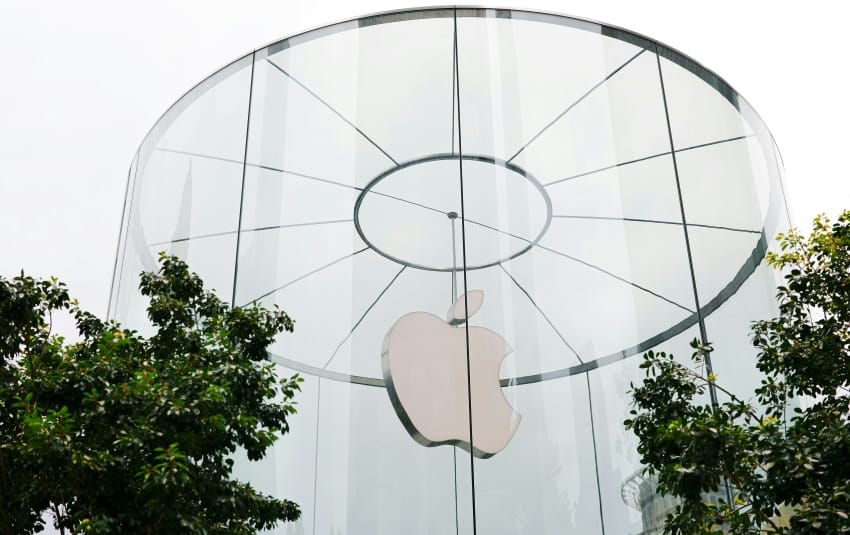
Apple’s brand purpose is clear: to create innovative products that improve people’s lives. Their brand positioning is about being a premium brand that values simplicity, quality, and ease of use.
Steve Jobs famously said “Innovation distinguishes between a leader and a follower.”
This mindset is reflected in every aspect of Apple’s branding and product design.
Minimalist and Distinct Brand Personality
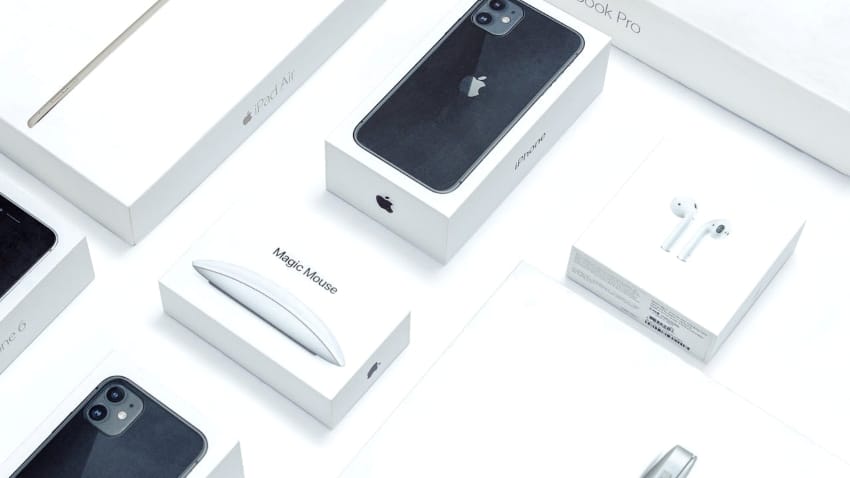
Apple’s brand personality is sleek, modern, and innovative. The company’s advertising and packaging reflect this by keeping things clean, uncluttered, and simple.
They focus on highlighting the experience of using their products rather than just the technical specifications.
Emotional Connection and Brand Trust

Apple has built a deep emotional connection with its audience. People who buy Apple products don’t just buy them because they need a phone or laptop; they buy into the Apple lifestyle.
The brand is associated with creativity, innovation, and a premium experience. This loyalty translates into repeat customers and brand trust.
Memorable Brand Identity and Visual Consistency

Apple’s use of consistent brand elements, such as its minimalist white and silver colour palette, sleek typography, and modern product design, creates a strong brand identity. Even their advertising follows a consistent theme: clean visuals, compelling storytelling, and emotional appeal.
Powerful Storytelling and Marketing Campaigns

Apple’s marketing isn’t about just selling products; it’s about telling a story. Their ads focus on how their products fit into people’s lives, making them more creative, productive, or connected.
Think Different, one of Apple’s most famous campaigns, positioned the brand as the go-to for innovators and creatives.
High Quality Brand Experience

From the moment a customer steps into an Apple Store, unboxes an iPhone, or calls Apple support, the brand experience is seamless and premium.
This attention to detail in customer experience reinforces brand loyalty and brand perception.
Strong Brand Recognition

Apple’s branding is so powerful that you can recognise an Apple product even without seeing the logo. Their design philosophy ensures that their products stand out in a crowded marketplace, making them instantly recognisable.
Developing a Brand Strategy

A brand strategy is a comprehensive plan that outlines how a business will build and maintain its brand identity. It is a critical component of any marketing effort, as it provides a roadmap for creating a consistent and recognizable brand presence.
Creating a Brand Strategy

Creating a brand strategy involves several key steps, including:
- Defining the Brand’s Mission and Vision: This involves identifying the brand’s purpose, values, and goals. A clear mission and vision provide direction and help to align all branding efforts with the brand’s core principles.
- Conducting Market Research: This involves gathering data about the target audience, competitors, and market trends. Understanding the market landscape helps to identify opportunities and challenges and informs the development of a unique brand identity.
- Developing a Unique Value Proposition: This involves identifying what sets the brand apart from the competition and what unique benefits it offers to customers. A strong value proposition communicates the brand’s unique selling points and why customers should choose it.
- Creating a Brand Positioning Statement: This involves defining how the brand wants to be perceived by its target audience. A clear positioning statement helps to guide all branding efforts and ensures that the brand’s messaging is consistent and aligned with its overall vision.
- Developing a Brand Identity System: This involves creating a consistent visual and verbal identity for the brand, including a logo, colour palette, typography, and tone of voice. A cohesive brand identity system ensures that all brand communications are consistent and recognizable.
- Establishing Brand Guidelines: This involves creating a set of rules and guidelines for how the brand identity should be used across all marketing channels. Brand guidelines help to maintain consistency and coherence in all brand communications, ensuring that the brand’s identity is always presented consistently and recognisably.
By following these steps, businesses can develop a strong brand strategy that helps to build and maintain a consistent and recognizable brand identity.
You read all of this, and now you think you need a rebrand?

Don’t panic; we have your back! At Bold Tony, we have completed many successful rebrands. If you are a small business owner, freelance creative or tradesperson, you don’t need to invest hundreds of thousands in your branding or make it as in-depth as Google or Nike.
However, understanding who your customer is, your industry colours and symbols as well as having a clear logo to represent your brand, is key in cutting through the noise and reaching your target audience.
In such cases, we can help you create a brand that is based on you as an individual, making it more personal and simple but flexible and adaptable should you want to expand or increase your service offering.
Rebranding: When and Why?

Rebranding is sometimes necessary, but it can be costly. Signs that you may need a rebrand include:
- A shift in your company’s strengths and target market
- Outdated branding that no longer appeals to new customers
- Mixed messages across marketing campaigns
Let’s look at Airbnb’s rebranding journey and how it grew its reach
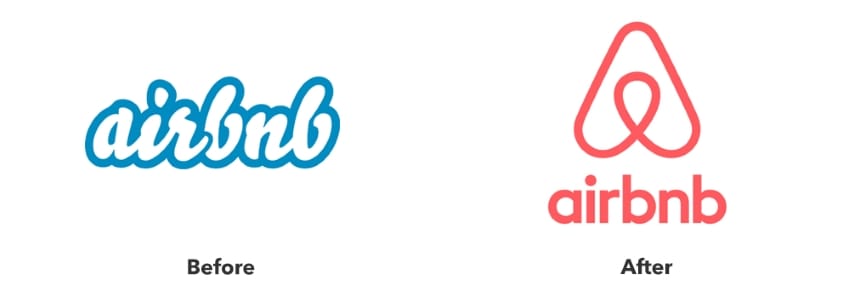
When Airbnb rebranded, it was very controversial both inside and outside of the design world. Airbnb’s rebranding journey is one of the most successful examples of how a company can completely redefine its identity to align with its evolving vision and audience.
When Airbnb introduced its new brand identity in 2014, it wasn’t just a logo redesign—it was a strategic move to reposition the company in the global market. Here’s why the Airbnb rebrand was so important and how it changed the game for the brand.
Why Did Airbnb Need to Rebrand?
Before 2014, Airbnb had grown significantly, but its brand identity had several major challenges:
Inconsistent Branding – Airbnb had no strong visual identity. The brand’s logo, website, and marketing materials lacked a cohesive, recognisable look, making it hard to create brand recognition.
Limited Global Appeal – Originally, Airbnb was just about finding short-term rentals, but as the company expanded into international markets, its old branding didn’t reflect its global vision and growing audience.
Emotional Disconnect – The old brand identity didn’t capture the emotional connection that Airbnb was building with its users. Airbnb had evolved beyond a simple rental service – it had become about belonging, community, and shared experiences.
Competition and Market Perception – With competitors like Booking.com and traditional hotel chains stepping into the short-term rental space, Airbnb needed to differentiate itself and position itself as a brand that offered more than just accommodation.
“A brand is not a logo, it’s not a product. A brand is a story. A story that connects with something very deep—a fundamental human truth.” Brian Chesky, Airbnb’s co-founder
The Key Changes in the Airbnb Rebrand
1. The Introduction of the “Bélo” Logo
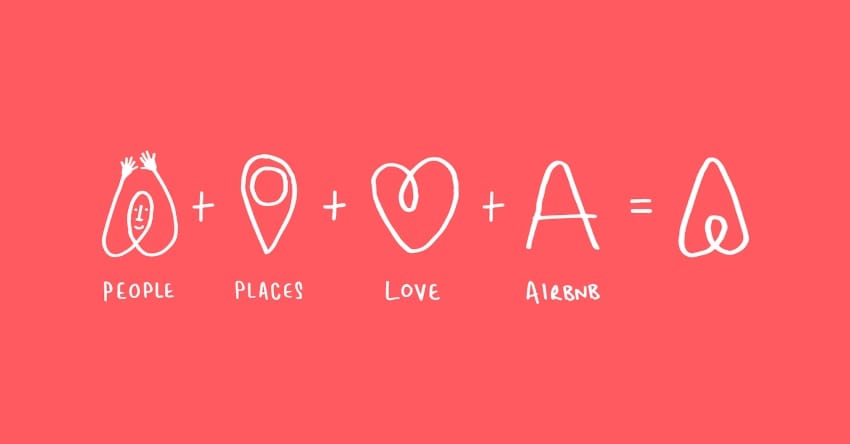
One of the most controversial and talked-about elements of Airbnb’s rebranding was its new “Bélo” symbol. This new logo represents:
- Belonging (the essence of Airbnb)
- People (a symbol of community)
- Places (the shared spaces and experiences)
- Love (a brand that fosters human connection)
The previous logo was forgettable and corporate-looking, but the Bélo mark gave Airbnb a distinct personality and a memorable brand identity that stood out in the travel industry.
2. A Fresh Colour Palette and Typography
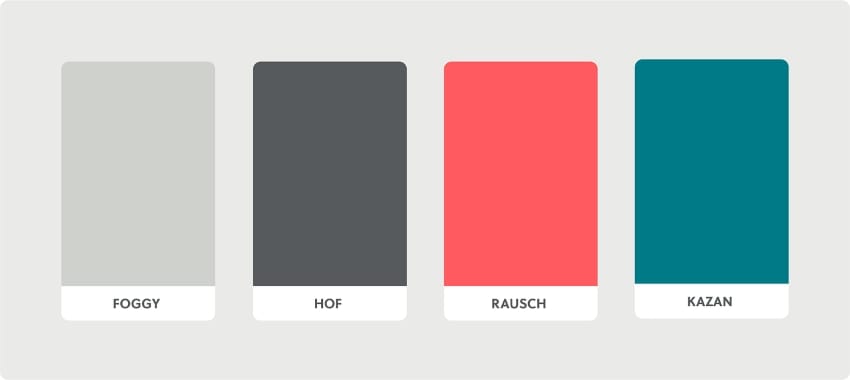
Airbnb introduced a softer, warmer colour palette, with Rausch pink as the primary colour, representing passion and energy. They also introduced new typography that felt more approachable and modern, making the brand feel friendlier.
3. A Unified Brand Experience
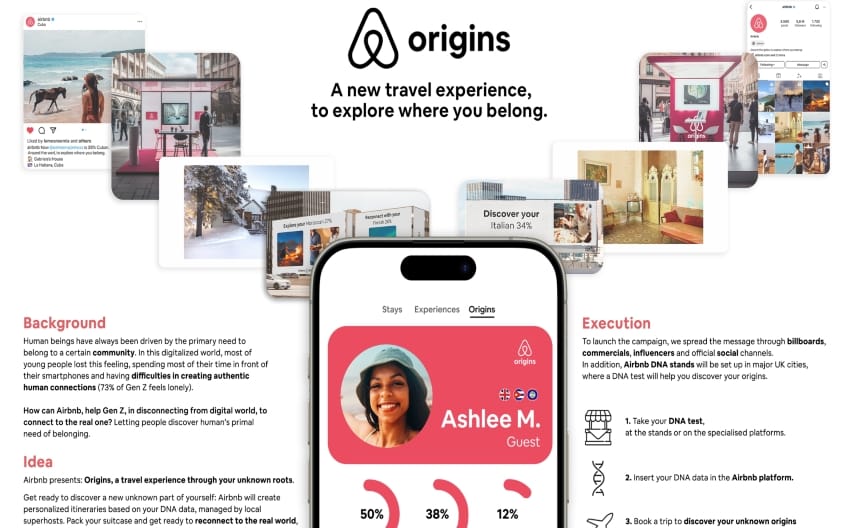
Airbnb created consistent brand guidelines that ensured their visual identity, messaging, and experience were seamless across all platforms—whether on their website, app, or marketing materials.
4. A Stronger Brand Purpose
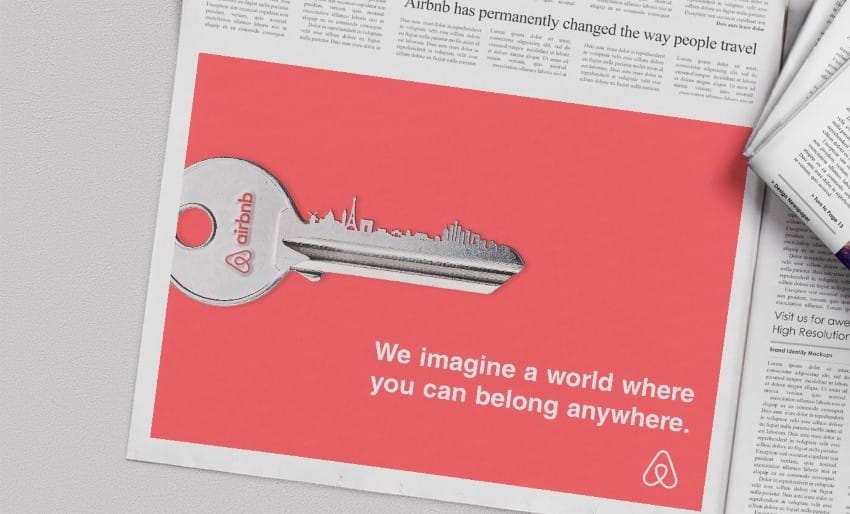
With the rebrand, Airbnb officially moved beyond being just a rental platform—it became a brand about belonging and human connection. Their new tagline, “Belong Anywhere”, reinforced this purpose.
5. A More Engaging Website and UX
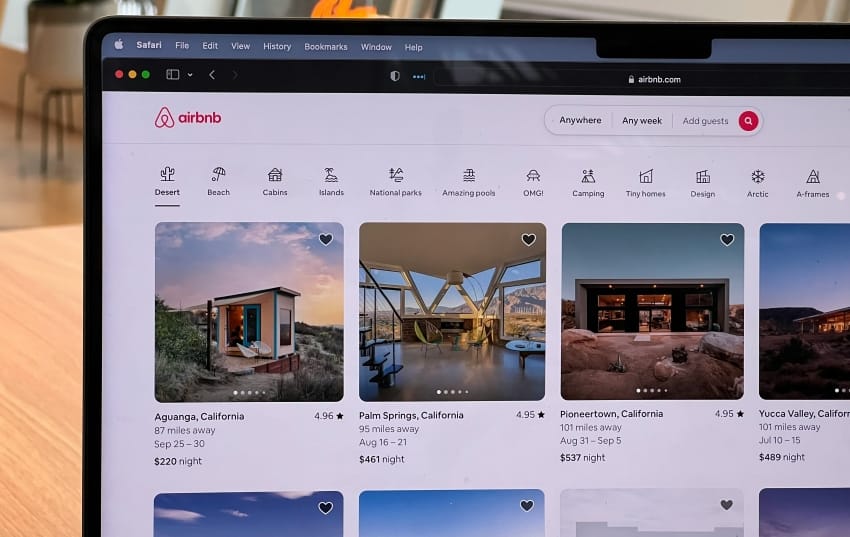
Along with the rebrand, Airbnb revamped its website and app, creating a cleaner and more intuitive design that made booking accommodations easier while keeping the brand’s friendly and welcoming tone.
The Airbnb rebranding wasn’t just about changing aesthetics—it was about elevating the brand’s positioning and making a deeper connection with its audience.
Key Takeaways from Airbnb’s Rebranding

- Here are the key takeaways from the brand identity lessons from Airbnb’s rebranding. The old Airbnb brand was outdated, while the new branding captured the essence of belonging.
- Rebranding is more than just a new logo – it’s a strategic move. Airbnb used its rebrand as an opportunity to redefine how the brand connected with customers.
- A strong brand identity helps businesses scale globally. Airbnb’s new visual identity made it more appealing to a wider international audience.
- Consistency is key. By creating clear brand guidelines, Airbnb ensured that its branding was strong and recognisable across all platforms.
Recommended Books on Branding and Brand Positioning

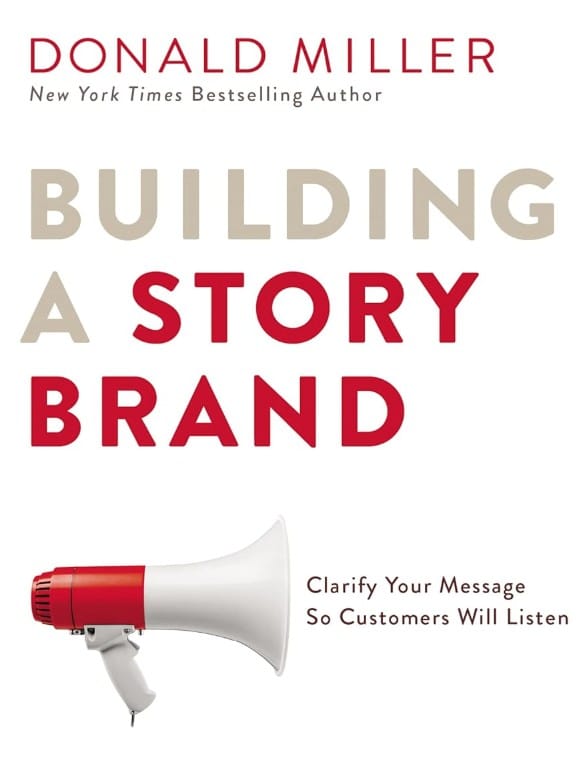
1. ”Building a StoryBrand” by Donald Miller (on Amazon)
- Learn how to clarify your brand messaging.
- Discover the seven key elements of a compelling brand story.
- Understand how brand perception shapes customer decisions.
2. ”Positioning: The Battle for Your Mind” by Al Ries and Jack Trout (on Amazon)

- Learn how to stand out in a crowded marketplace.
- Understand how to position your brand based on your company’s strengths.
- Discover great examples of brand positioning strategies.
3. ”Branding: In Five and a Half Steps” by Michael Johnson (on Amazon)
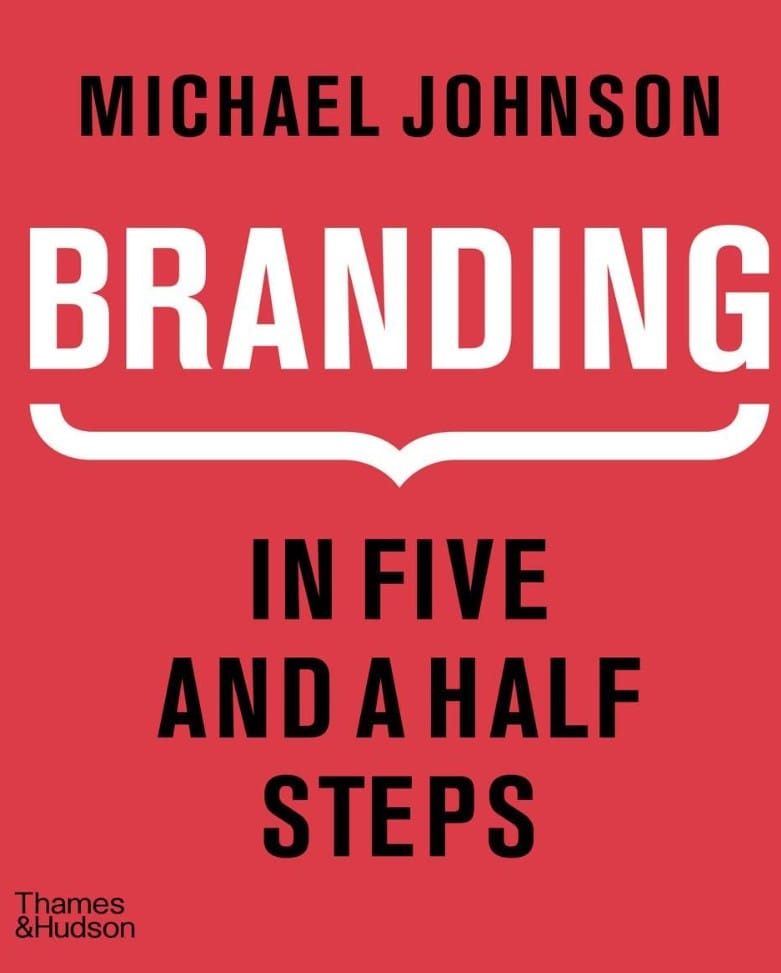
- A step-by-step guide to creating a memorable brand identity.
- Learn about the branding process, from brand strategy to brand recognition.
- Understand how brand assets, such as logos and colour palettes, create a consistent brand experience.
Creating a Brand or Need a Rebranding? Let Boltony Help!

A great brand is more than a logo – it’s an experience, a connection, and a statement. If you’re serious about building a strong brand identity,
Boltony is here to help. Our team of expert brand strategists, graphic designers, and marketing consultants will create a brand identity that resonates with your audience and sets your business apart.
Want to build a brand as strong as Apple’s or Airbnb’s? Let Boltony help you create a powerful brand identity that stands out! 🚀